


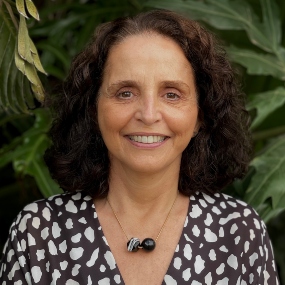
by Alice Alexandre and Adriana Martins, CEO Permian Brasil and Communications Director (respectively)
September 29, 2025
Working on nature conservation projects in partnership with local communities in the Amazon, we have learned that communication, more than a set of technical skills and tools, requires empathy, active listening, and above all, a genuine interest in building authentic relationships, grounded in trust and mutual respect.
In this article, we share key lessons we consider essential for strengthening bonds with Amazonian communities and engaging them as protagonists in forest conservation projects, bringing benefits to people, biodiversity, and the climate.
Active listening and genuine intent to connect
Listening is the first gesture of respect. But it’s necessary to go beyond standard listening: it’s about being truly present and authentic, showing a real intention to understand contexts, needs, and realities. In our assemblies at Rio Cautário, we begin by asking families about their stories of life, challenges, and achievements. This practice makes them feel valued and protagonists of the dialogue — and with each meeting, trust grows, as they realize it is not about us, but about them.
Observing and supporting traditional ways of life
Understanding a community’s culture and rituals is fundamental for communication to be effective. We adjust our workshops to the rhythms of local life, respecting chestnut collection or fishing periods. This alignment shows respect for their way of life and strengthens relationships that deepen over time.
Inclusive and accessible communication
Given the diversity of literacy levels within Amazonian communities, it is essential to work with oral communication, interactive activities, and accessible languages, prioritizing visual resources, dramatizations, simple analogies, and practical experiences. We often design playful dynamics led by young people and women from the community, encouraging everyone to participate actively while making learning fun.
Valuing local knowledge and reciprocity in learning
Projects often arrive loaded with technical concepts and jargon. Translating these into everyday language is important, but even more crucial is recognizing the knowledge that already exists. We always invite community members to explain in their own words what they understood, reinforcing self-confidence and teaching us in return by complementing with local examples. This reciprocity makes communication truly two-way.
Playful and dialogical interactions
Communication is also built through joy, art, and affection. In community assemblies, discussion circles, and workshops, we create moments of entertainment — from storytelling to collective games — that send the message that we are on the same team. These practices maintain a bond that goes beyond technical goals and strengthens mutual trust.
Encouraging the community’s role as communicators
Communication cannot be one-way. We encourage communities to give testimonials about how the project is transforming local realities. These voices are powerful to amplify trust externally and internally, and they reaffirm the protagonism of those who live and protect the forest. Often, instead of our team speaking first, we invite familiar local leaders, including women and youth, to share their perspectives, surprising expectations and strengthening credibility.
Repeating strategic messages in the local version
Reinforcing key concepts, adapting language based on audience reactions, and leveraging local multipliers enhance the reach, frequency, and effectiveness of communication. The spread of core ideas by multiple people across different formats and channels contributes to embedding these concepts in the daily life of the communities.
Conclusion
Successful communication is the foundation upon which equitable and effective carbon projects are built. It is the channel through which Free, Prior and Informed Consent (FPIC), self-determination, and fair benefit-sharing are truly realized.
Our experience shows that moving beyond a transactional approach, prioritizing engagement through genuine, culturally sensitive, and continuous communication, is fundamental. From the very beginning, we have already seen a huge gain in openness, trust, and self-confidence from the communities as they realize that we are not there to convince them about which decision to make, but to make them confident enough to make their own. This relationship, constantly evolving and improving, is what makes conservation projects relevant, durable, and fair.
The future of carbon projects in the region intrinsically depends on the ability to build and maintain long-lasting relationships of trust, based on mutual respect and on valuing the knowledge and rights of the peoples who inhabit and protect the forest.
For a real example of community interaction with our team on the field, please see: https://permianbrasil.com/artigos/assembleia-geral-na-resex-do-rio-cautario-reforca-protagonismo-comunitario-e-transparencia-em-projeto-de-carbono/
For more news click HERE
Permian Brasil website (Portuguese) HERE