


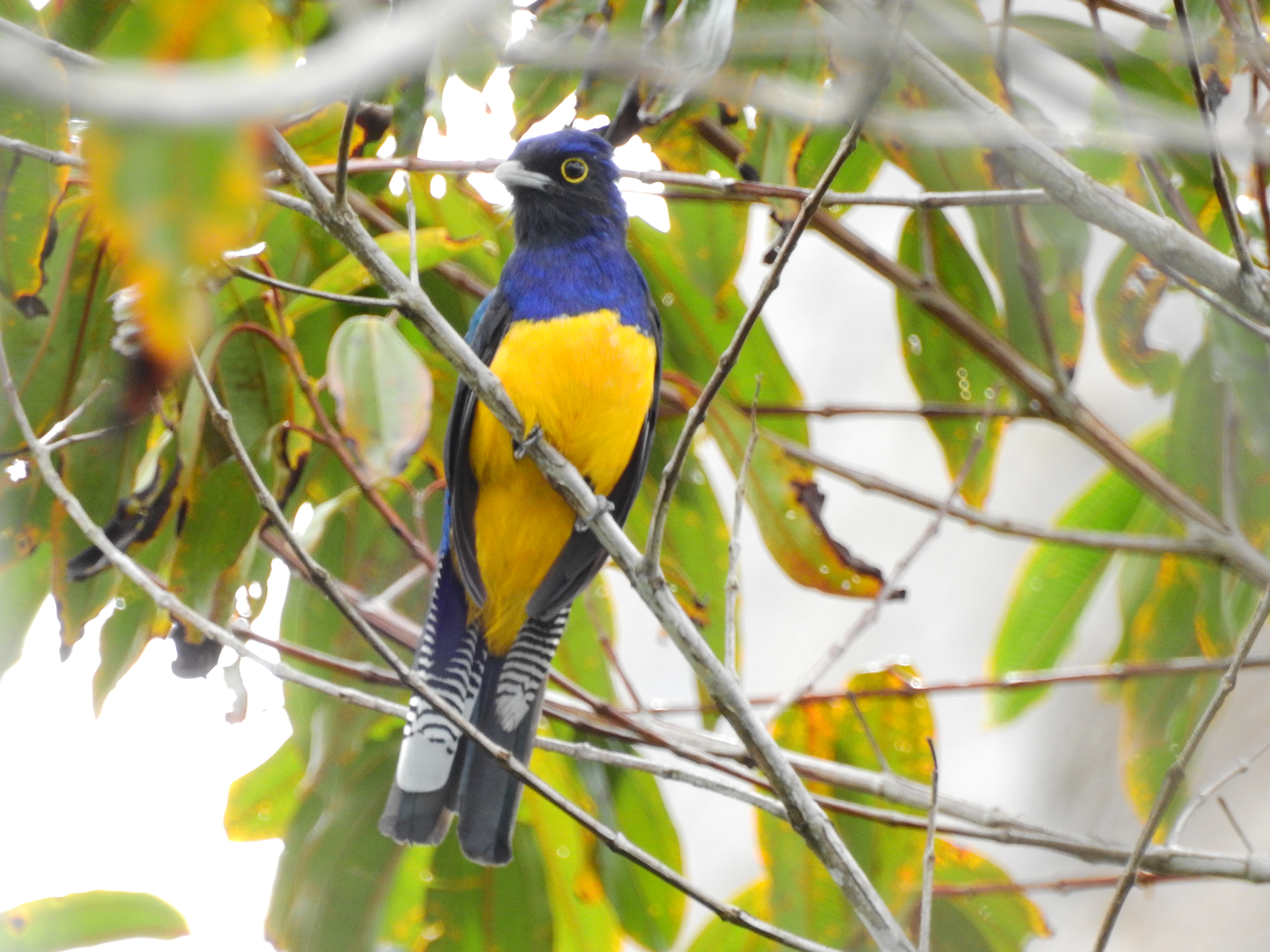
A new peer-reviewed study has recorded 516 bird species from 73 families in the Rio Cautário State Extractive Reserve in Rondônia, Brazil. It is the most extensive bird inventory for any site in the Rondônia Centre of Endemism, one of the most threatened regions of the Brazilian Amazon.
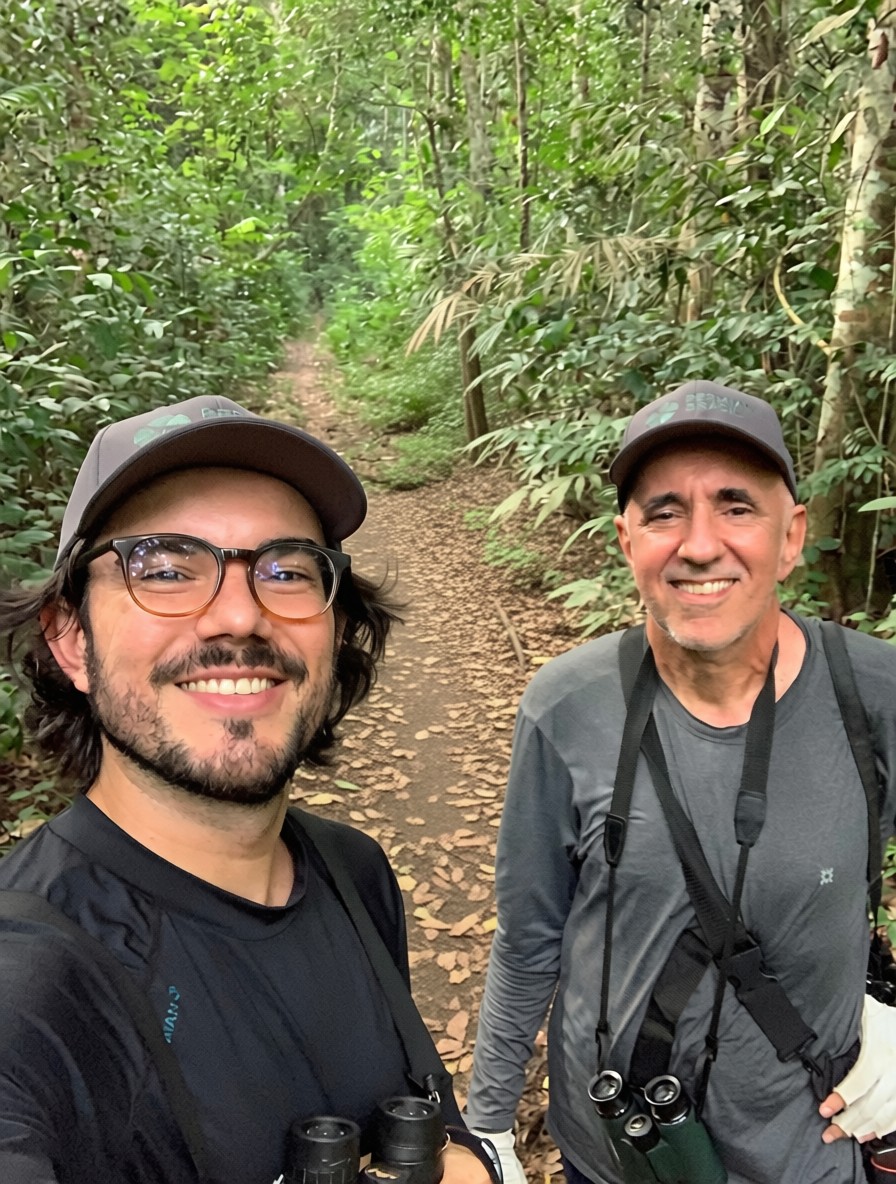
The paper has been published in Ornithology Research and is open access. Its authors include Albert Aguiar and José Fernando Pacheco of Permian Global. The reserve’s original management plan had listed just 127 species, and the authors expect the total to keep rising as surveys continue.
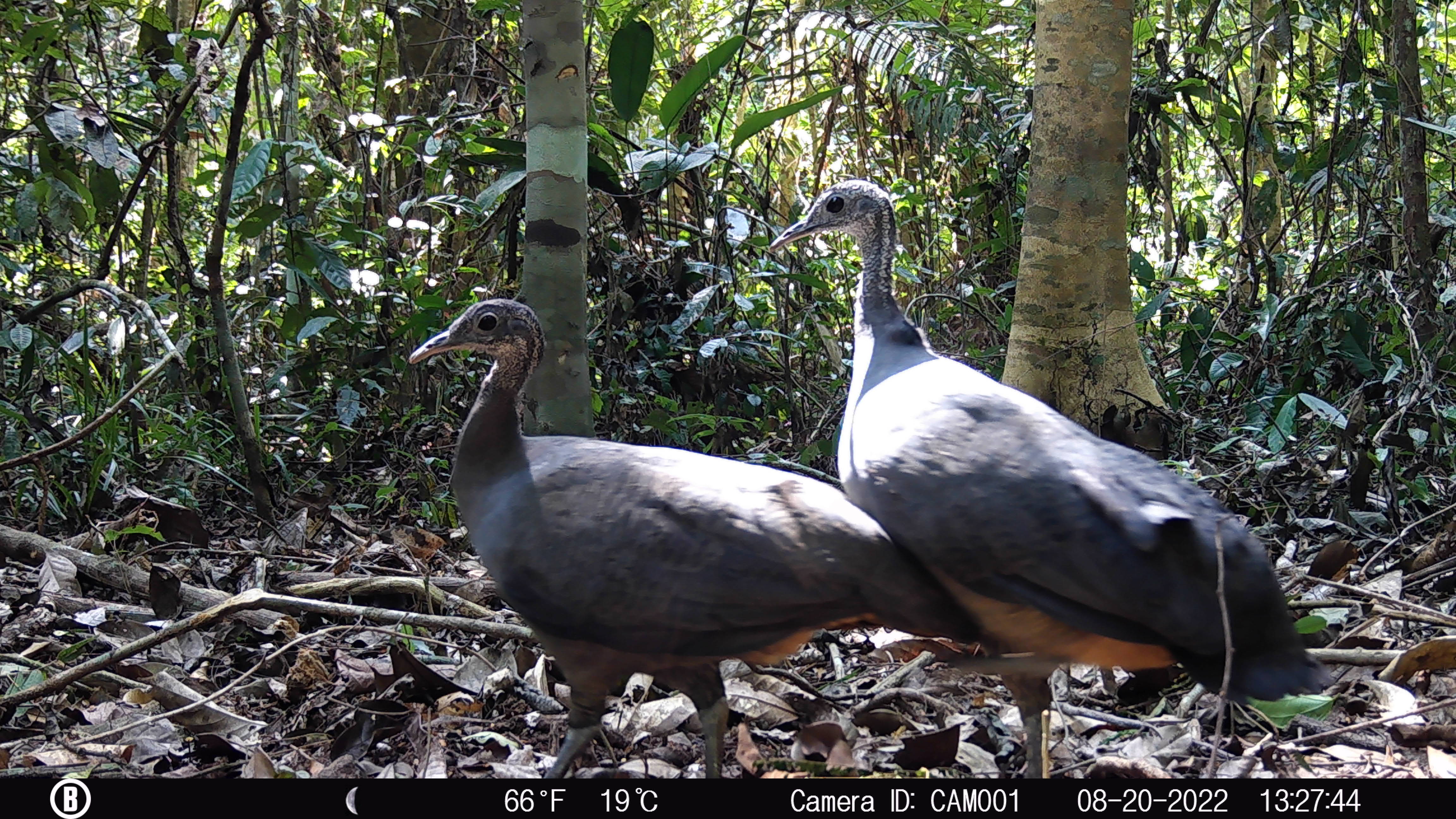
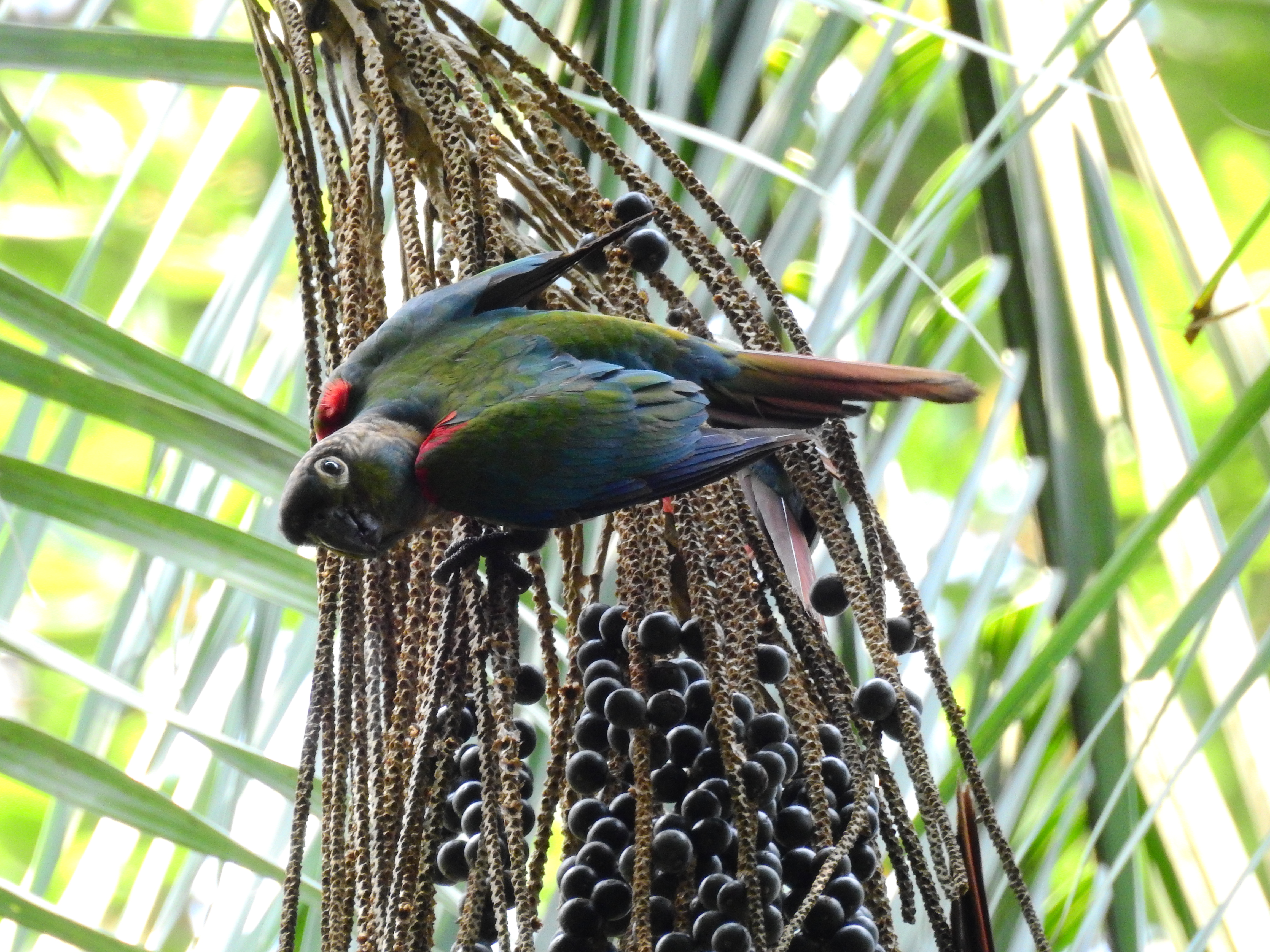
The list includes five species found only in the Rondônia Centre of Endemism and nine species classed as globally Vulnerable, among them the harpy eagle, the grey tinamou and the white-bellied parrot.
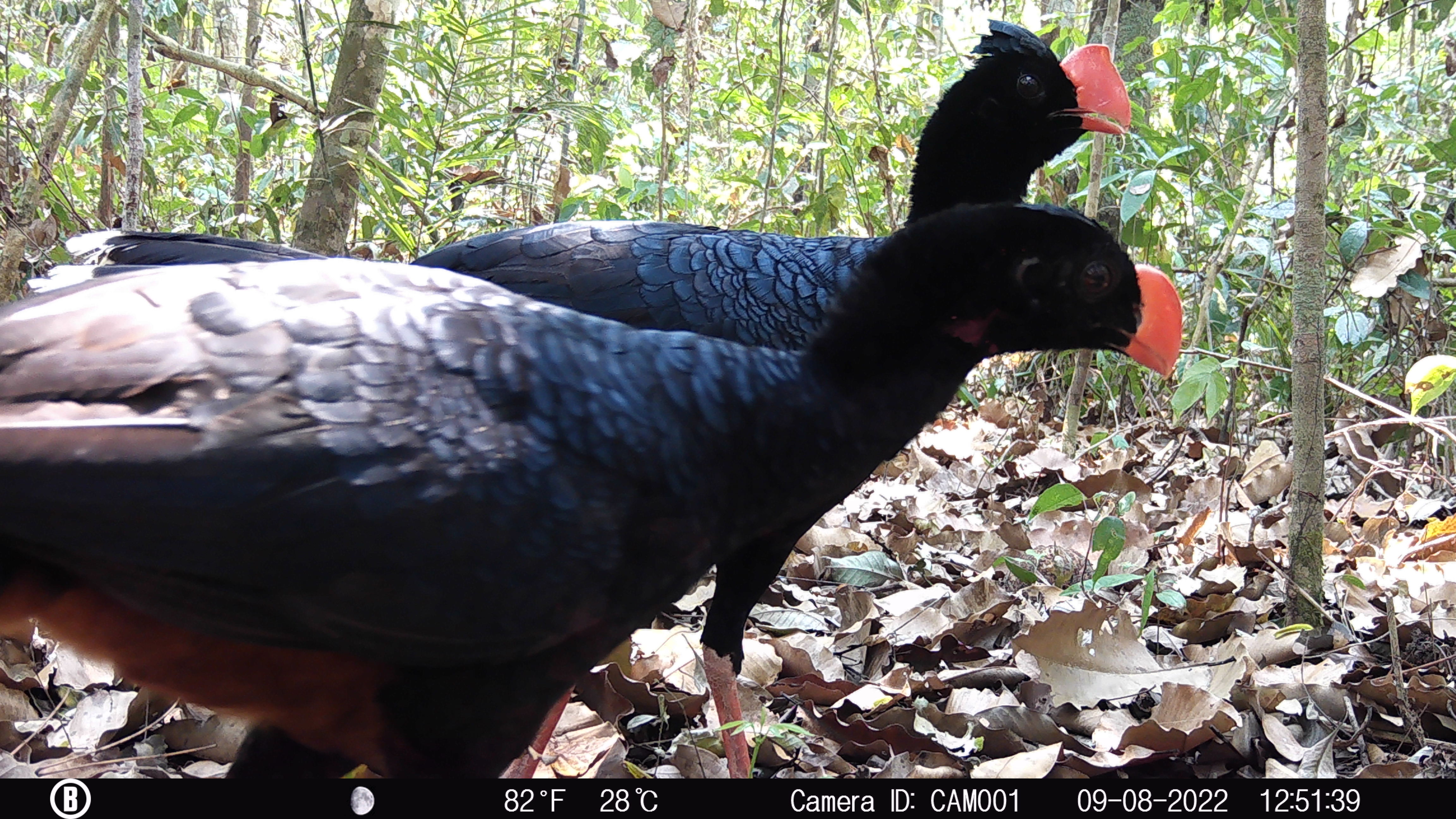
A particularly encouraging finding concerns the green-winged trumpeter, a ground-dwelling bird that is often hunted and quickly disappears where forest is fragmented. Our camera traps and acoustic recorders picked it up regularly, including close to the reserve’s villages. The survey also documented rarities: a violaceous quail-dove, a species seen only irregularly in the Brazilian Amazon, and a flock of ten maguari storks, probably wanderers from the wetlands of neighbouring Bolivia. It also found the tooth-billed wren, which until the mid-1990s was known from just four museum specimens.
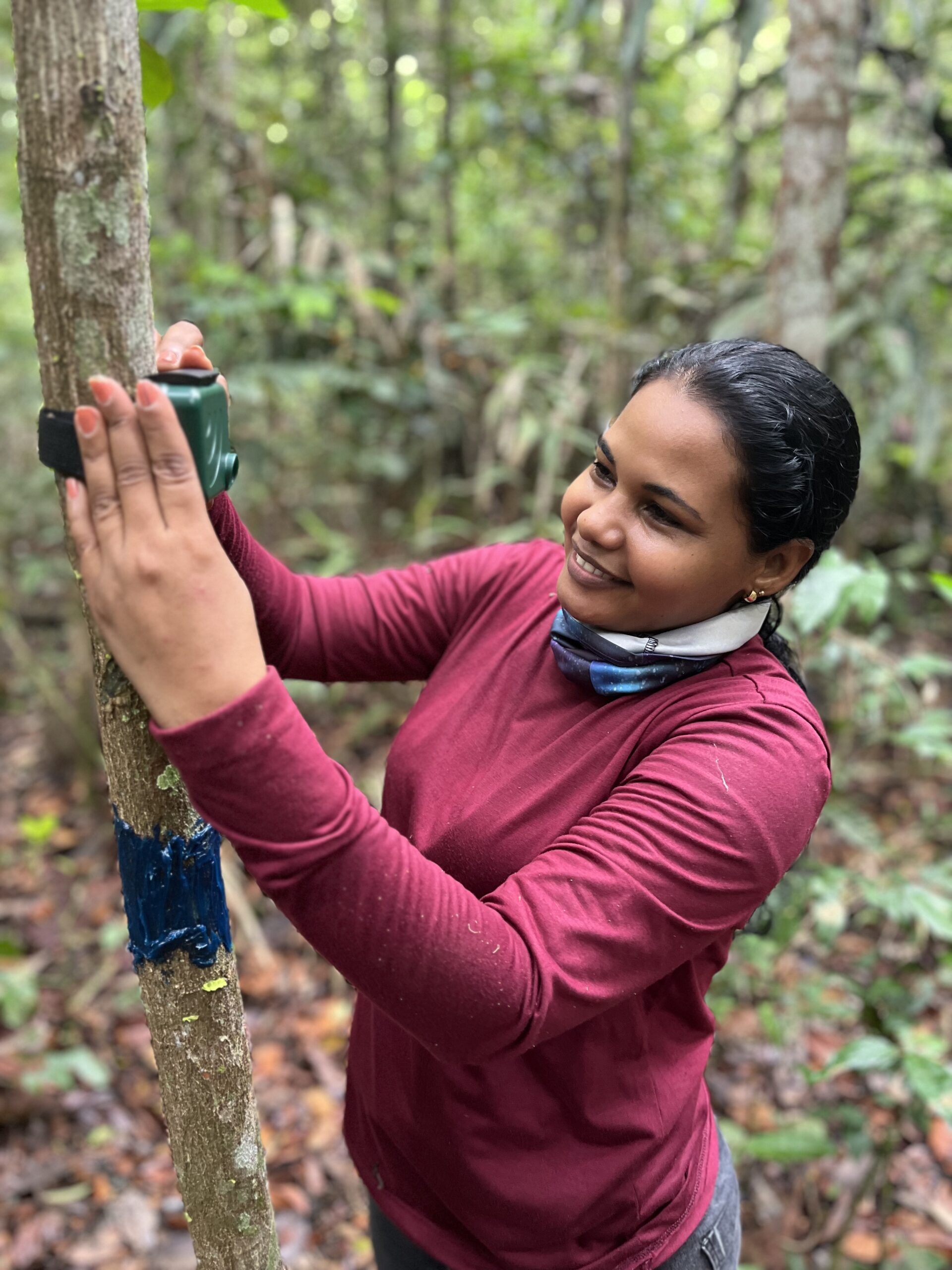
The research drew on the monitoring network set up under the Rio Cautário Forest Conservation Project since 2020. Over two field seasons, 40 acoustic recorders captured more than 690,000 minutes of sound, and four species were detected only through these recordings. Camera traps at 66 stations and annual wildlife transects added further records; local monitors walked those transects, covering 450 km.
The reserve covers 146,400 hectares and is home to 136 families. It sits on a hard border with cattle pasture in a state that lost 35% of its forest between 1985 and 2021.
The authors say the reserve is a strong candidate for long-term research into how climate change and deforestation affect birds in the southern Amazon, and they call for monitoring and protection to continue.
The full paper, “The avifauna of the Rio Cautário State extractive reserve, Rondônia, Brazil” by Pereira, Ubaid, Pacheco, Lees, Aguiar and Olmos, is available at https://link.springer.com/article/10.1007/s43388-026-00329-5.